Baby Led Weaning vs Traditional Weaning: A Guide That Puts Your Baby First
Ludovica Ibba
Infant and Child Feeding Specialist
Updated
September 2026
•
5 min
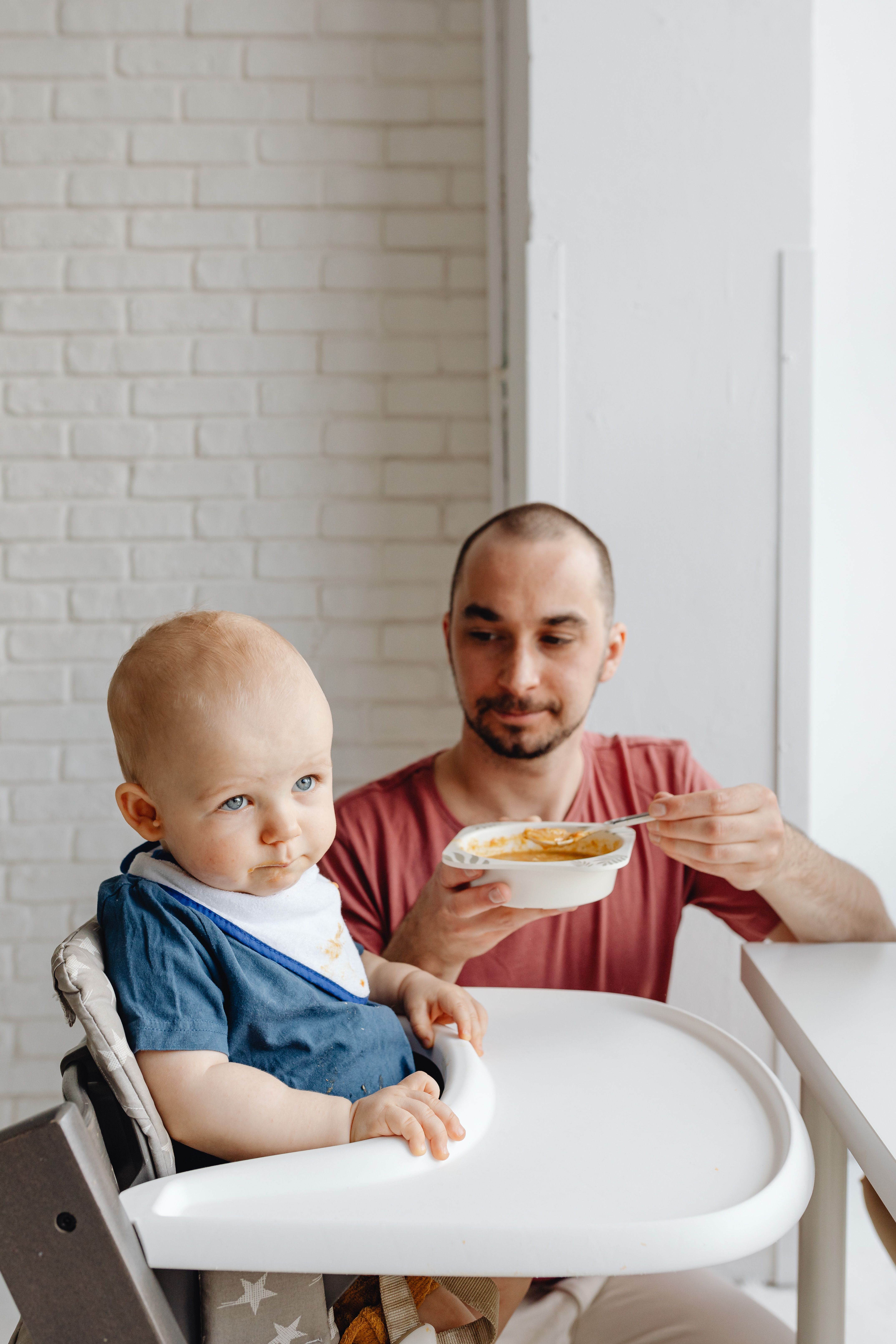
In recent years, the baby-led weaning vs traditional weaning debate has become almost a rite of passage for parents. As soon as a baby approaches six months, the advice, opinions and camps start rolling in.
“BLW is better.” "Stick with the spoon.” “Skip the purées.” “Avoid finger foods.”
Yet anyone who works with families every day can see it clearly: this either/or debate distracts from what matters most. A baby doesn’t need a label. They need a parent who watches, listens and guides them calmly.
The latest research confirms exactly this: it isn’t the method that shapes a child’s relationship with food, it’s the quality of the experience. And that quality comes from responsiveness.
Responsive weaning: follow your baby, not the method
Seen this way, agonizing over traditional weaning or BLW can easily become a distraction. What really matters is noticing how your baby experiences mealtimes: the curiosity in their eyes as they look at the food, the way they explore it with their hands, their concentration as they try to bring it to their mouth, or that firm little push away when they’ve had enough. It’s a subtle language, shaped by their own timing and rhythm, and it will guide you far better than any method.
Responsiveness grows out of this ability to listen: adapting the journey to your baby, without pushing, without rushing ahead, without chasing some ideal model. When parents take this approach, babies relax, explore and learn to trust.
Purées and finger foods from the start: a story of natural progression
Many parents worry that starting with purées might “hold back” their baby’s ability to cope with lumps and pieces. Others worry that finger foods are too risky. In reality, purées and finger foods aren’t two separate worlds. They are two tools that, together, build the sensory and motor progression your baby needs.
Offeringboth textures from the very beginning helps your baby to:
- practise fine motor skills and hand‑to-mouth coordination
- develop the oral‑motor skills they’ll need to chew and feed themselves;
- get to know food through all their senses, not just taste;
- move gradually towards eating family meals.
The research backs this up: a variety of textures is an ally, not a risk, as long as your baby is ready and the foods offered are safe. And it’s this variety, more than any method, that builds a child’s confidence with food.
The mood at the table: babies absorb what parents bring
When people weigh up the pros and cons of baby-led weaning, one factor is often overlooked: the parent’s attitude. A baby who sees a relaxed adult eating with enjoyment, without pressuring or insisting, feels free to explore. A baby who senses anxiety, rigid expectations or worry tends to shut down, whether they’re eating purées or finger foods.
Food is about connection. And that connection is built in the way you look at your baby while they eat, in your tone of voice, in the calm with which you accept that some days they’ll eat more and some days less.
Babies learn to trust food when they feel their parents trust them.
Leading by example: self-feeding starts with imitation
Eating is a deeply social act. Whether you choose BLW, traditional weaning or a mix of both, your baby benefits enormously from watching adults eat. They notice how you pick up a piece of food, how you bring the spoon to your mouth, how you sit at the table. And they try to do the same.
Encouraging self-feeding doesn’t mean pushing your baby to be “independent” too early. It means letting them take part. Taking part is what really drives how children learn to eat.
Sothe question traditional weaning or BLW? is less useful than it seems.The best choice is the one that allows your baby to:
- Explore all textures from the very start
- Develop motor and oral‑motor skills
- Self-regulate, with the support of a responsive parent
- Joining family meals and copy the adults around them.
❝
A child doesn't need a label, but a parent who observes, listens, and calmly guides them.
—
Ludovica
❝
You're not alone. Asking for help is already a first step.
Find an expert on Sage Nest.